Discover our Personalized Weight Management Program ~ Rooted Transformations!
Are Your Eyes Getting Too Much Screen Time?
"The only limits are, as always, those of vision.” ~ James Broughton
JULY 20252025 NEWSLETTER
7/15/20252 min read
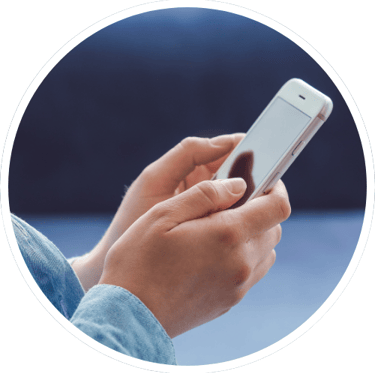
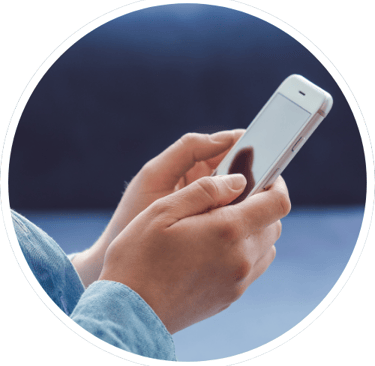
In our digital world, most of us are exposed to blue light for many hours a day through phones, tablets, computers and LED lighting. Not all blue light is harmful. However, prolonged exposure to high-energy visible light may contribute to eye strain, disrupted sleep and oxidative stress in the retina.
Too much screen time is not only an eye issue. It can also affect sleep quality, focus, hormone rhythms and daily energy. Protecting your eyes can also help support your brain.
Why Blue Light Matters:
Blue light may affect your eyes, sleep and daily wellness in several ways. Some people notice more eye strain, fatigue or dry eyes after long hours on screens.
Blue light exposure in the evening may also disrupt melatonin production and circadian rhythm. This can make it harder for your body to wind down at night.
Screen Time Can Affect Brain Health
Too much screen time can make it harder to focus, rest and feel mentally clear. Digital strain may also increase fatigue, especially when screen breaks are rare.
This is why screen habits can connect with cognitive enhancement. Better screen boundaries may support focus, mental clarity and healthier daily routines.
A Whole-Body View of Screen Health
Blue light and screen use can affect more than the eyes. Sleep, hormone balance, stress levels and metabolic health may all be connected to how often and when we use screens.
A functional medicine approach looks at these patterns as part of the whole body. It helps connect lifestyle habits with energy, rest, focus and long-term wellness.
Support and Protection Tips
Use blue light-filtering glasses or screen protectors if you spend long hours on devices. You can also adjust brightness settings and reduce screen exposure before bed.
Follow the 20-20-20 rule during the day. Every 20 minutes, look at something 20 feet away for 20 seconds.
Get daily outdoor light exposure in the morning when possible. Morning light can help reset circadian cues and support a healthier sleep-wake rhythm.
Support eye health with key nutrients such as lutein, zeaxanthin, zinc, omega-3s and vitamin A. Ask your provider which nutrients may be right for your needs.
When a Screen Detox May Help
A screen detox does not have to mean removing every device from your life. It can start with simple boundaries, such as no screens before bed, fewer notifications or regular breaks during the workday.
If screen habits are affecting your sleep, stress or focus, wellness counseling may help you create a more realistic plan. Small changes can be easier to keep when they fit your daily routine.
Give Your Eyes a Break
Your eyes and brain need recovery time. Even short breaks throughout the day can help reduce strain and support better focus.
Want a personalized supplement or screen detox plan? Book a consultation to explore our vision, sleep and social media detox recommendations.
You can also review our stress and relaxation support tips if screen time is affecting your rest, nervous system or daily balance.
Give your eyes a break.
Warmly,
Your Team at The Center for Intentional Health
FAQs About Screen Time and Eye Health
Can too much screen time affect sleep?
Yes, too much screen time can affect sleep, especially when screens are used close to bedtime. Evening blue light exposure may disrupt melatonin production and make it harder to wind down.
What is the 20-20-20 rule?
The 20-20-20 rule means looking at something 20 feet away for 20 seconds every 20 minutes. It is a simple way to give your eyes a break during long screen use.
How can screen time affect focus?
Long hours on screens may contribute to eye strain, fatigue and mental overload. Taking breaks, reducing evening screen use and improving daily light exposure may help support better focus.