Discover our Personalized Weight Management Program ~ Rooted Transformations!
Preparing for Flu Season: Protecting Health Together
"When we take care of ourselves, we are better prepared to take care of others." ~ Unknown
AUG 20252025 NEWSLETTER
Cheryl Morgan
8/26/20252 min read
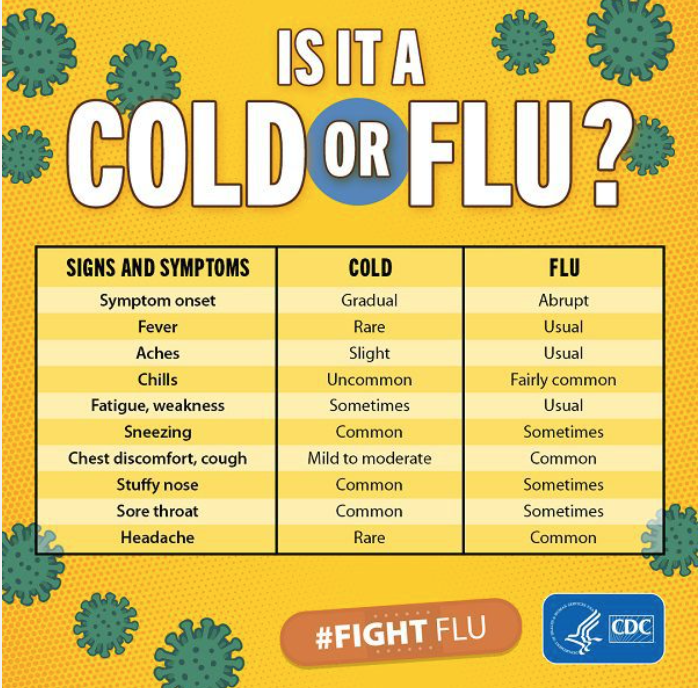
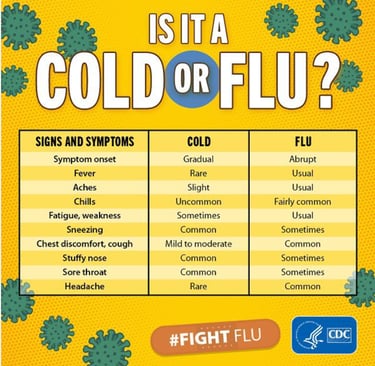
As kids head back to school and we move into fall and winter, flu season is once again upon us. This year, COVID-19 may also continue to circulate in our community. While seasonal viruses are a normal part of this time of year, simple prevention steps can help reduce risk and protect one another.
Preparing for flu season is not only about avoiding illness. It is also about supporting your immune system, reporting symptoms early and helping our clinic remain safe for every patient, especially those who may be immunocompromised.
Strengthen Your Immune System
Our office has prepared a list of clinically supported supplements designed to help support your immune system during this higher-risk season. Ask us for recommendations at your next visit or call ahead for more details.
If you need more personalized support, our immune recovery care can help patients understand how immune health connects with whole-body wellness.
Use a Functional Approach to Seasonal Health
Seasonal immune support works best when it looks at more than one habit. Sleep, hydration, nutrition, stress, movement and immune history can all play a role in how your body responds during flu season.
This is why functional medicine can be helpful for patients who want a more personalized view of their health. It looks at the body as a connected system instead of focusing on one symptom alone.
Report Symptoms Early
Please let our provider know right away if you develop flu-like symptoms such as fever, chills, sore throat, cough, body aches, fatigue, headache or sudden loss of taste or smell.
Early reporting allows us to take proactive measures. It also helps ensure you receive timely guidance and care while helping protect other patients and staff.
Follow In-Office Precautions
To keep everyone safe, we will provide protective masks for any patient who comes into the office and prefers to use one. We will also require masks for any patient who arrives with a cough, regardless of at-home COVID test results.
Our staff will continue practicing careful infection control measures. Please notify us before arriving if you have active symptoms so we can arrange the safest accommodations.
Personalized Immune Support May Need Testing
Some patients may need deeper insight into their immune health, nutrient status or overall wellness patterns. When appropriate, labs and genetic testing can help guide a more personalized care plan.
Testing does not replace basic prevention steps. It can simply give your provider more context when building a wellness plan that fits your body and your health needs.
Our Shared Goal
Together, with thoughtful prevention and early action, we can minimize the impact of flu and COVID this season. We also want every patient to feel safe, supported and heard when visiting our clinic.
For patients who need broader wellness support, integrative therapies may help connect prevention, lifestyle care and provider-guided support into one plan.
Thank you for helping us create a safe, supportive environment for all patients and staff.
We strive for all immunocompromised patients to feel safe in our clinic.
Warmly,
Your Team at The Center for Intentional Health
FAQs About Preparing for Flu Season
How can I prepare for flu season?
You can prepare for flu season by supporting your immune system, reporting symptoms early and following basic safety steps in shared spaces. It also helps to ask your provider if you need personalized guidance.
When should I report flu-like symptoms?
You should report flu-like symptoms as soon as they appear, especially fever, chills, cough, sore throat, body aches, fatigue, headache or sudden loss of taste or smell. Early reporting helps your provider guide next steps and protect others.
Why are clinic precautions important during flu season?
Clinic precautions help protect patients, staff and immunocompromised individuals. Masks, symptom reporting and infection control steps help create a safer care environment during higher-risk seasons.