Discover our Personalized Weight Management Program ~ Rooted Transformations!
Fall Diet Shift
"To eat is a necessity, but to eat intelligently is an art." ~ François de La Rochefoucauld
SEPT 20252025 NEWSLETTER
Cheryl Morgan
9/9/20253 min read
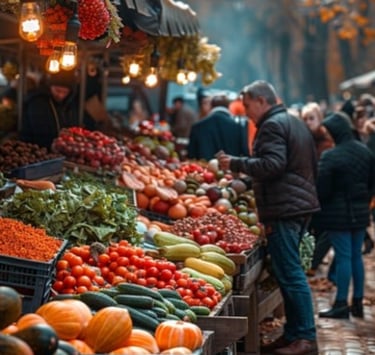
As the seasons change, so do our bodies’ needs. Summer heat often calls for lighter foods that refresh and hydrate, such as berries, melons and crisp greens. As autumn arrives with shorter days and cooler temperatures, your body may need foods that support immune health, steady energy and better nourishment.
At The Center for Intentional Health, we encourage you to embrace this transition with a full fridge swap. A thoughtful fall diet shift can help your body get the nutrients it needs during colder months. It can also support the daily habits that connect with a healthy weight management program.
Autumn’s Fresh Harvest Shopping List:
Fall produce gives you many simple ways to add color, fiber and nutrients to your meals. These foods can help support digestion, energy, immune strength and overall wellness.
Carrots and sweet potatoes are rich in beta-carotene and fiber. They support vision, digestion and healthy blood sugar regulation.
Pumpkin and acorn squash provide antioxidants, vitamin C and magnesium. These nutrients can support immune resilience and sustained energy.
Broccoli and Brussels sprouts are cruciferous vegetables that support detoxification, hormone balance and antioxidant defense. They are also easy to roast, steam or add to warm bowls.
Turnips and beets are root vegetables that provide minerals and vitamin C. They can support circulation, digestion and a more grounded fall meal pattern.
Seasonal fruits such as pears, persimmons, quince, cranberries and figs are full of antioxidants. They are also a delicious way to support metabolic and immune health.
Walnuts are a fall nut packed with plant-based omega-3s. They can support inflammation balance, brain health and meal satisfaction.
Why Seasonal Eating Matters:
Seasonal foods often provide strong nutrient value because they are grown during their natural harvest time. This can make them rich in vitamins, minerals and antioxidants.
Seasonal eating can also support digestive ease. Summer foods tend to be lighter and more cooling, while fall foods often feel warmer, grounding and more satisfying.
Autumn’s harvest is naturally rich in immune-supportive nutrients like vitamin C, beta-carotene and plant polyphenols. These nutrients can support the body during colder months when seasonal illness risk may rise.
A fall diet shift may also support metabolic and endocrine health. Steady meals with fiber, healthy fats and nutrient-rich carbohydrates can help support energy, blood sugar balance and hormone-related wellness.
Simple Fall Food Swaps:
This fall, try swapping summer salads for roasted root vegetables and hearty soups. These warmer meals can still be colorful, fresh and full of nutrients.
You can also explore seasonal recipes that celebrate flavor and function. Try warming stews, baked squash, spiced cranberry sauces or fresh fig salads.
Small food swaps do not need to feel strict or overwhelming. The goal is to eat with the season and choose foods that help your body feel supported.
Personalized Nutrition Can Go Deeper:
Seasonal eating is a helpful starting point, but each person’s body has different needs. Some people may need more support with blood sugar, digestion, inflammation, hormones or nutrient status.
When appropriate, labs and genetic testing can help guide a more personalized wellness plan. This gives your provider more insight into what your body may need beyond general nutrition advice.
Nourish Intentionally This Fall
As we journey into autumn together, let’s embrace the harvest as an opportunity to nourish intentionally. A fall diet shift can be simple, practical and supportive for your long-term wellness goals.
If you are building healthier habits one step at a time, you may also enjoy our August wellness journey. It offers another simple way to start with small daily actions that support your health.
Enjoy farm fresh produce this harvest season.
Warmly,
Your Team at The Center for Intentional Health
FAQs About a Fall Diet Shift
What is a fall diet shift?
A fall diet shift means adjusting your food choices to match the season. It often includes warmer meals, root vegetables, seasonal fruits, soups and nutrient-rich foods that support energy and immune health.
Why should I eat seasonal foods in the fall?
Seasonal fall foods can provide fiber, antioxidants, vitamins and minerals. They may also feel more satisfying during cooler weather and can support digestion, immune health and steady energy.
Can seasonal eating support weight management?
Yes, seasonal eating can support weight management when meals include fiber, protein, healthy fats and nutrient-rich carbohydrates. Fall foods like root vegetables, cruciferous vegetables, fruits and walnuts can help meals feel balanced and satisfying.
Subscribe to the Full Newsletter!
Enjoy exclusive discounts and deals available only to our subscribers! Get the Newsletter on Saturday instead of Tuesday.